Insurance is an important part of financial planning and helps protect individuals and families from unexpected risks. Two of the most essential types of coverage are life insurance and health insurance. Although both provide financial security, they are designed to serve different purposes and protect against different kinds of uncertainties. Many people assume that one type of insurance can replace the other, but that is not the case. Each policy plays a unique role in safeguarding financial stability. Understanding how life insurance and health insurance work, along with their key differences, can help individuals make smarter and more effective financial decisions for the future.
What Is Life Insurance?
Life insurance is a contract between a person and an insurance provider. In this arrangement, the policyholder regularly pays premiums to the insurance company. In exchange, the insurer agrees to pay a fixed amount of money, called the death benefit, to the chosen nominee or beneficiary if the insured individual dies during the policy period.
The primary goal of life insurance is to offer financial protection to the policyholder’s family or dependants. It helps ensure that loved ones can continue their daily lives and handle financial obligations even if the main earning member is no longer there.
Key Benefits of Life Insurance
1. Financial security for the family:
Life insurance offers monetary support to family members if the policyholder passes away.
2. Income replacement:
It helps the family manage regular living expenses by replacing the income that the policyholder used to earn.
3. Loan and liability protection:
The payout can be used to clear debts such as home loans, personal loans, or other financial commitments.
4. Support for long-term financial goals:
Certain life insurance plans also include savings or investment features that help build wealth over time.
5. Tax advantages:
Life insurance policies often provide tax benefits according to the applicable tax regulations.
Types of Life Insurance
Term Life Insurance:
Term life insurance provides financial protection for a fixed period, such as 10, 20, or 30 years. It is usually one of the most cost-effective forms of life insurance and is easy to understand because it focuses purely on protection.
Whole Life Insurance:
Whole life insurance offers coverage for the entire lifetime of the insured person. In addition to the insurance protection, it also includes a cash value feature that grows gradually over the years.
Endowment Plans:
Endowment plans combine life insurance coverage with a savings component. These policies help individuals accumulate a lump sum amount that is paid either at the end of the policy term or to the beneficiary if the policyholder passes away during the coverage period.
Unit Linked Insurance Plans (ULIPs):
ULIPs provide a combination of insurance protection and investment opportunities. Part of the premium is invested in market-linked funds such as equity or debt, which means the returns depend on how the financial markets perform.
Life insurance is particularly important for people who support their families financially. It ensures that dependants such as a spouse, children, or aging parents have financial security if the primary earner is no longer able to provide for them.
What Is Health Insurance?
Health insurance is a type of financial protection that helps people handle the costs of medical care. It covers expenses related to healthcare services such as hospital stays, surgeries, doctor visits, diagnostic tests, and medicines.
When someone has a health insurance policy, the insurance provider either settles the hospital bill directly with the hospital through a cashless facility or reimburses the insured person for eligible medical expenses after the treatment.
Key Advantages of Health Insurance
Support for medical expenses:
Health insurance helps pay for hospital admissions, surgical procedures, treatments, and other healthcare costs.
Protection from increasing healthcare costs:
As medical treatment becomes more expensive each year, insurance helps reduce the financial pressure on individuals and families.
Cashless treatment facility:
Many insurance companies allow policyholders to receive treatment at partner hospitals without paying the full amount upfront.
Coverage for serious illnesses:
Certain policies provide financial support for major diseases such as cancer, heart conditions, and kidney-related illnesses.
Preventive health benefits:
Some health plans also include regular health check-ups, wellness programs, and preventive care services.
Types of Health Insurance
Individual Health Insurance:
This plan provides medical coverage for a single individual under a specific insured amount.
Family Floater Plan:
A family floater policy covers multiple family members under one policy, where the insured amount is shared among all members.
Critical Illness Insurance:
This type of policy offers financial protection against severe or life-threatening illnesses.
Group Health Insurance:
Group health insurance is generally offered by employers to their employees as part of workplace benefits.
Health insurance is extremely important because unexpected medical situations can arise at any time. Having the right coverage ensures that individuals and families can access quality healthcare without facing heavy financial stress.
Key Differences Between Life Insurance and Health Insurance
1. Purpose
- Life Insurance: Its main purpose is to provide financial protection to the policyholder’s family after the insured person’s death.
- Health Insurance: It is designed to cover medical and hospitalization expenses during the policyholder’s lifetime.
2. Type of Benefit
- Life Insurance: Provides a lump sum payout (death benefit) to the nominee or beneficiary if the insured person passes away.
- Health Insurance: Covers medical costs such as hospital bills, surgeries, doctor consultations, and medicines.
3. Who Receives the Benefit
- Life Insurance: The benefit is paid to the nominee or family members of the insured person.
- Health Insurance: The benefit is used by the policyholder for their own medical treatments.
4. Coverage Duration
- Life Insurance: Coverage can be term-based (10, 20, or 30 years) or lifelong, depending on the policy type.
- Health Insurance: Usually provided for one year and must be renewed annually.
5. Financial Objective
- Life Insurance: Focuses on income replacement and long-term financial security for dependants.
- Health Insurance: Focuses on reducing the financial burden of healthcare expenses.
6. Claim Situation
- Life Insurance: Claim is made after the death of the insured person.
- Health Insurance: Claim can be made whenever the insured person requires medical treatment or hospitalisation.
7. Additional Benefits
- Life Insurance: Some policies include investment or savings components such as cash value or maturity benefits.
- Health Insurance: May include cashless hospitalisation, preventive health check-ups, and critical illness coverage.
Why You Need Both Life and Health Insurance
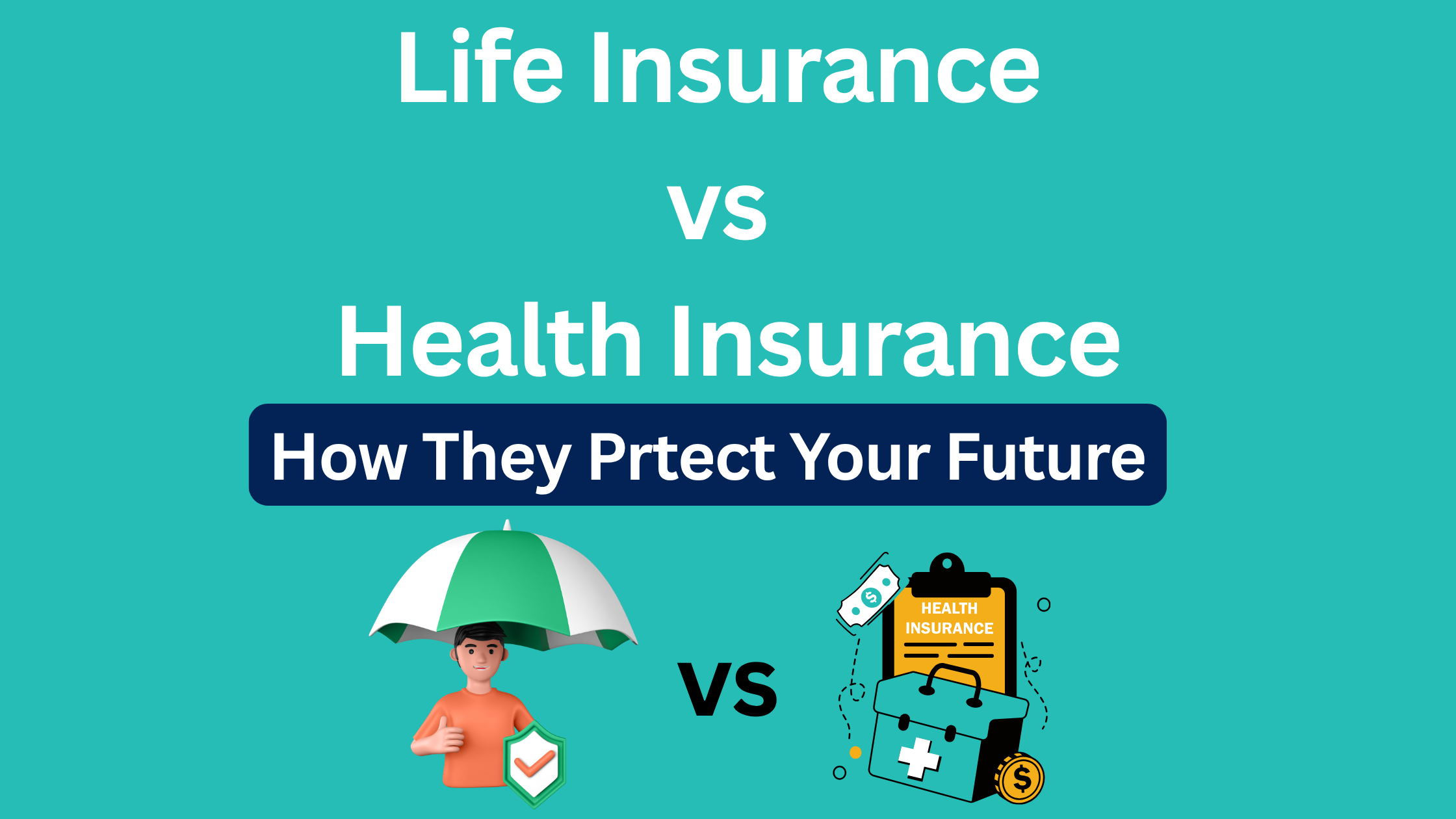
Many people believe they only need one type of insurance, but both are important for complete financial protection. Life insurance protects your family’s future, while health insurance protects your finances during medical emergencies.
Reasons to Have Both
- Comprehensive financial security: Life insurance supports your family if you are no longer there, while health insurance protects you from high medical expenses.
- Protection against unexpected risks: Both death and illness are unpredictable, making insurance essential.
- Financial stability: Medical bills or loss of income can severely impact finances without proper coverage.
- Peace of mind: Knowing that both your family and your health expenses are protected provides confidence and security.
For example, if a person faces a major health issue without insurance, the medical costs can quickly drain savings. Similarly, if the primary earner passes away without life insurance, the family may struggle financially.
Choosing the Right Insurance Policy
Selecting the right policy depends on individual financial goals, family responsibilities, and risk tolerance.
Tips for Choosing Life Insurance
- Choose coverage that is at least 10–15 times your annual income.
- Consider your family’s future expenses such as education and living costs.
- Compare policy features, premiums, and claim settlement ratios.
Tips for Choosing Health Insurance
- Choose a policy with adequate sum insured to cover rising medical costs.
- Check the list of network hospitals for cashless treatment.
- Understand waiting periods, exclusions, and claim procedures.
Reviewing policies regularly and updating coverage as life circumstances change is also important.
Conclusion
Life insurance and health insurance are two essential pillars of a strong financial plan. While life insurance ensures that your family remains financially secure in your absence, health insurance protects you from the growing cost of medical treatment. Both policies address different types of risks and together provide comprehensive protection.
Instead of choosing between the two, individuals should consider having both life and health insurance to safeguard their financial future. With the right policies in place, you can protect your loved ones, manage healthcare costs, and enjoy greater peace of mind knowing that you are prepared for life’s uncertainties.