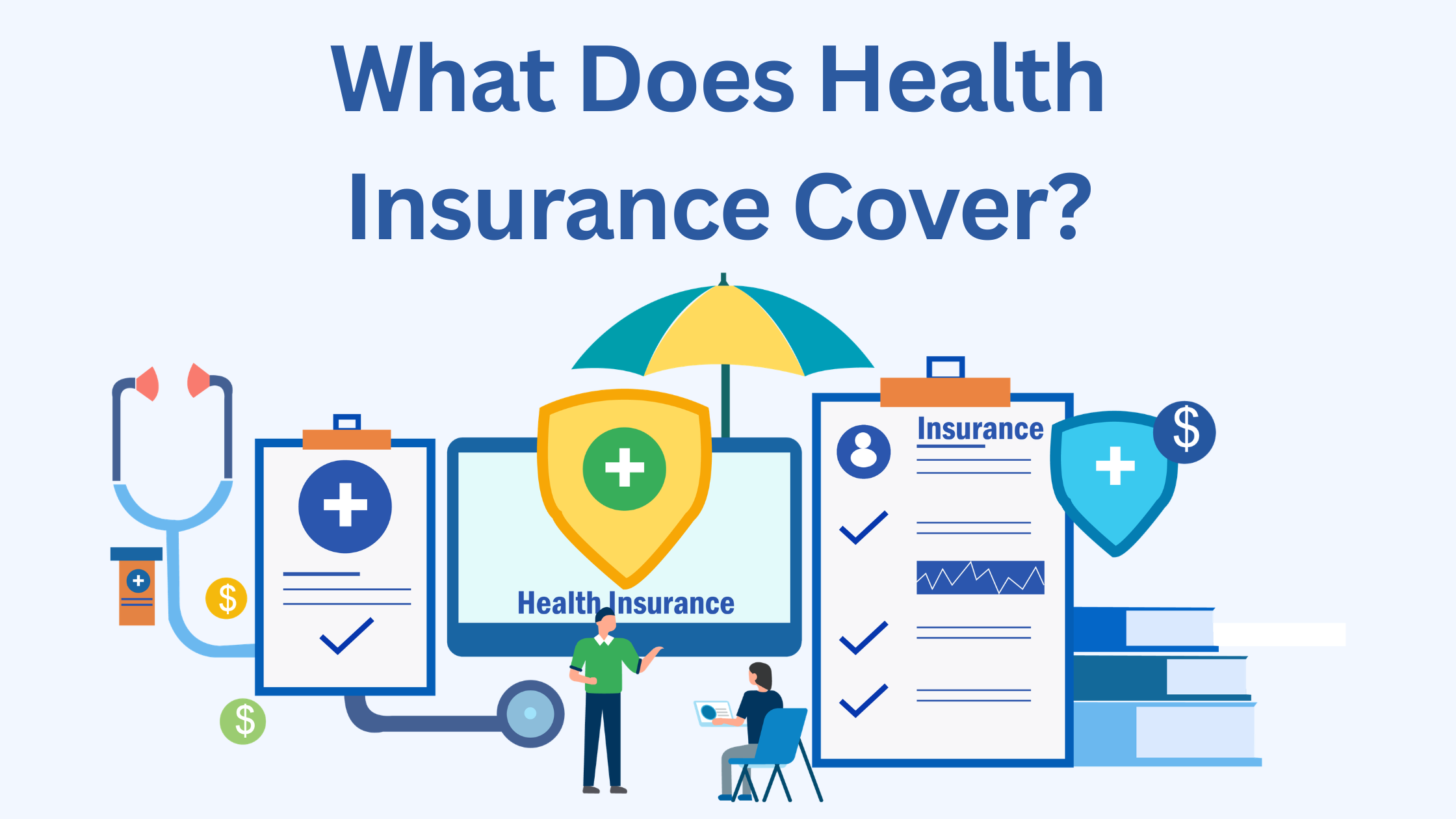
Health insurance plays a vital role in protecting individuals and families from the rising costs of medical care. While policies may vary depending on the insurer and plan type, most health insurance plans are designed to cover a wide range of healthcare services—from routine check-ups to major medical procedures. Understanding what health insurance covers can help you make informed decisions and avoid unexpected expenses.
1. Hospitalization Expenses
One of the primary benefits of health insurance is coverage for hospitalization costs. This includes expenses incurred when you are admitted to a hospital for treatment.
What’s typically covered:
- Room rent and boarding charges
- Nursing fees
- Doctor consultation charges
- Operation theatre expenses
- ICU charges (if required)
Most policies cover both planned and emergency hospitalizations, ensuring that major medical costs are taken care of.
2. Pre- and Post-Hospitalization Costs
Health insurance doesn’t just cover expenses during hospital stays—it also includes costs incurred before and after hospitalization.
Pre-hospitalization coverage may include:
- Diagnostic tests
- Doctor consultations
- Medical investigations
Post-hospitalization coverage typically includes:
- Follow-up consultations
- Medication expenses
- Rehabilitation treatments
This ensures continuity of care without financial strain.
3. Daycare Procedures
Medical advancements have made it possible to perform certain procedures without requiring a 24-hour hospital stay. These are known as daycare procedures.
Examples include:
- Cataract surgery
- Dialysis
- Chemotherapy
- Minor surgical procedures
Health insurance plans usually cover these treatments, even though they don’t involve extended hospitalization.
4. Ambulance Charges
Emergency transportation to a hospital can be expensive. Most health insurance policies include coverage for ambulance services.
Coverage may include:
- Road ambulance charges
- In some cases, air ambulance (in premium plans)
This ensures that you receive timely medical attention without worrying about transport costs.
5. Prescription Medications
During hospitalization or treatment, prescribed medications are typically covered under your health insurance plan.
However, outpatient medicines (those purchased without hospitalization) may not always be included unless you have a specialized plan that covers outpatient department (OPD) expenses.
6. Preventive Healthcare Services
Many insurers now emphasize preventive care to help policyholders maintain good health and detect illnesses early.
Preventive services may include:
- Annual health check-ups
- Screening tests
- Vaccinations (in some plans)
These benefits encourage early diagnosis and reduce the risk of serious health conditions.
7. Maternity and Newborn Coverage
Some health insurance policies offer maternity benefits, although this is usually available after a waiting period.
Coverage may include:
- Prenatal and postnatal care
- Delivery expenses (normal or cesarean)
- Newborn baby coverage for a limited period
This benefit is especially useful for young families planning for children.
8. Critical Illness Coverage
Certain health insurance plans provide coverage for critical illnesses such as:
- Cancer
- Heart disease
- Stroke
- Kidney failure
In many cases, these plans offer a lump-sum payout upon diagnosis, which can be used for treatment or other financial needs.
9. Mental Health Treatment
With growing awareness around mental well-being, many health insurance policies now include coverage for mental health conditions.
Covered services may include:
- Psychiatric consultations
- Therapy sessions
- Hospitalization for mental health treatment
This is an important step toward comprehensive healthcare coverage.
10. Alternative Treatments
Some insurance providers also cover alternative systems of medicine.
These may include:
- Ayurveda
- Homeopathy
- Unani
Coverage depends on the insurer and policy terms, but it provides flexibility for individuals who prefer traditional healing methods.
What Is Usually Not Covered?
While health insurance offers extensive coverage, there are certain exclusions you should be aware of:
- Pre-existing diseases (during the waiting period)
- Cosmetic or aesthetic treatments
- Self-inflicted injuries
- Substance abuse-related treatments
- Experimental or unproven procedures
Reading the policy document carefully helps you understand these limitations.
Factors That Affect Coverage
Health insurance coverage can vary based on several factors:
- Type of plan: Individual, family floater, or critical illness
- Sum insured: Higher coverage limits offer broader protection
- Network hospitals: Cashless treatment is available at partnered hospitals
- Add-ons or riders: Additional benefits like OPD cover or personal accident cover
Choosing the right plan depends on your healthcare needs, lifestyle, and budget.
Why Understanding Coverage Matters
Knowing what your health insurance covers helps you:
- Avoid unexpected out-of-pocket expenses
- Plan medical treatments more effectively
- Make better financial decisions
- Ensure complete protection for yourself and your family
Health insurance is not just a policy—it’s a financial safety net that supports you during medical emergencies.
Conclusion
Health insurance covers a wide range of medical expenses, including hospitalization, treatments, medications, and preventive care. While the exact benefits depend on the policy you choose, having a clear understanding of coverage ensures you maximize its value. By selecting the right plan and staying informed, you can safeguard both your health and your finances in the long run.